


About Us
Where We Started

A Decade of Growth

Advanced Technology

Expanded Insight

Cancer Prevention

New Leadership
Who We Are Today
Reproductive Carrier Screening: Tests for 260+ diseases (including Tay-Sachs, cystic fibrosis, and Gaucher disease) for those planning a family.
Hereditary Cancer Testing: Identifies mutations in 60+ genes linked to breast, ovarian, colorectal and other cancers.
What we are about

Simple
Trusted
Security
Affordable
Clear
Service
support always

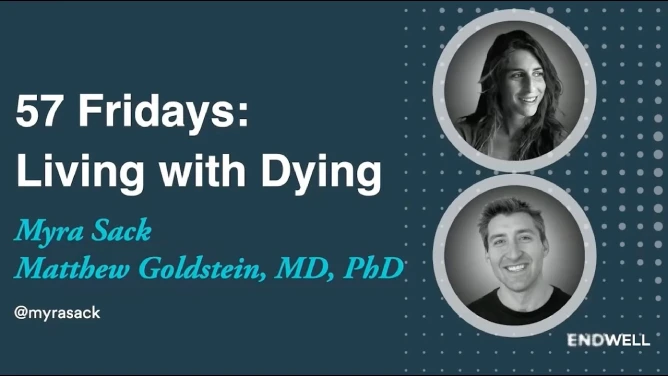
Matt’s Story
.svg)
Who’s At Risk?
Certain genetic diseases are more common within communities that were historically isolated – whether geographically, culturally, or religiously. When one or more ancestors in such a group carried a mutation in a disease-related gene, that mutation had the opportunity to spread and take root over generations. These types of genetic mutations are known as "founder mutations.” Founder mutations1 exist in communities all over the world. A few notable examples are highlighted below.
While certain communities face higher risks, genetic disease does not discriminate based on ancestry. Everyone, regardless of ancestry, faces genetic disease risks. That’s why comprehensive genetic screening matters for anyone planning to start or grow their family, and for anyone concerned about their risk for hereditary cancers.
The Jewish Community
The Jewish community is at higher risk for a number of genetic diseases. One in 30 Ashkenazi Jews are carriers for Tay-Sachs disease,2 and many other diseases are prevalent in this population.3 Sephardic and Mizrachi Jews are at risk for diseases common in their communities. Ashkenazi Jews are also at risk for mutations in the BRCA genes, increasing their risk for breast, ovarian, prostate and pancreatic cancers.
Mediterranean Communities
Founder mutations for a disease called thalassemia are more common in Mediterranean, Asian, African and Middle Eastern communities. Thalassemia is an inherited blood disorder that causes the body to produce abnormal or not enough hemoglobin, the protein in red blood cells that carries oxygen. This causes anemia, fatigue, and other complications such as bone changes and heart problems.4 Reproductive carrier screening can identify whether you carry a genetic mutation, empowering you to make informed decisions for you and your family.
Northern and Eastern Europeans
Research on Northern and Eastern European populations has found distinct genetic mutations in the BRCA1 and BRCA2 genes in Iceland, Norway, the Netherlands, Poland, and Russia.1,5 In Poland, just 3 genetic mutations are responsible for over 90% of all BRCA1 mutations.5 In some countries, BRCA mutations date back almost 1,000 years.5 If you have known ancestry from these countries, it can be helpful to know your genetic cancer risk, especially if you also have a family history of cancer.
African-American and Hispanic Communities
One of the more significant inherited disorders is sickle cell anemia. While red blood cells are typically round and flexible, in sickle cell anemia they are shaped like a crescent moon. This causes red blood cells to get stuck in the blood vessel and stop carrying oxygen properly, causing pain and other health problems. In the US, over 90% of people who have sickle cell anemia are African-American.6 Approximately 1 in 13 African-Americans is a carrier for sickle cell anemia,6 making reproductive carrier screening very important.
Hispanic and Latino communities also face risks. Approximately 1 in 20 Hispanic people is a carrier for sickle cell anemia, and an estimated 3-9% of people born with sickle cell disease are Hispanic or Latino.6,7 Some African and Hispanic communities also have founder mutations that increase the rate of BRCA mutations, increasing the risk of hereditary breast, ovarian, prostate, and other cancers.8,9
Our Commitment
References
- Janavičius R. Founder BRCA1/2 mutations in Europe: implications for hereditary breast-ovarian cancer prevention and control. EPMA J. 2010;1(3):397-412. doi:10.1007/s13167-010-0037-y
- Rozenberg R, Pereira LdaV. The frequency of Tay-Sachs disease causing mutations in the Brazilian Jewish population justifies a carrier screening program. São Paulo Med J. 2001;119(4):146-149. https://pmc.ncbi.nlm.nih.gov/articles/PMC11164463/
- Levy R. What’s the connection between BRCA and Ashkenazi Jewish ancestry? Dana-Farber Cancer Institute. June 26, 2023. Accessed February 17, 2026. https://blog.dana-farber.org/insight/2023/06/whats-the-connection-between-brca-and-ashkenazi-jewish-ancestry/
- Mayo Clinic Staff. Thalassemia – symptoms & causes. Mayo Clinic. https://www.mayoclinic.org/diseases-conditions/thalassemia/symptoms-causes/syc-20354995. Published May 6, 2025. Accessed March 12, 2026.
- Heramb C, Wangensteen T, Grindedal EM, Ariansen SL, Lothe S, Heimdal KR, Mæhle L. BRCA1 and BRCA2 mutation spectrum – an update on mutation distribution in a large cancer genetics clinic in Norway. Hered Cancer Clin Pract. 2018;16(1). doi:10.1186/s13053-017-0085-6
- National Heart, Lung, and Blood Institute. Sickle cell disease. Updated December 10, 2025. Accessed March 6, 2026. https://www.nhlbi.nih.gov/health/sickle-cell-disease
- Ojodu J, Hulihan MM, Pope SN, Grant AM. Incidence of sickle cell trait — United States, 2010. MMWR Morb Mortal Wkly Rep. 2014;63(49):1155-1158.
- Weitzel JN, Lagos VI, Herzog JS, et al. Evidence for common ancestral origin of a recurring BRCA1 genomic rearrangement identified in high-risk Hispanic families. Cancer Epidemiol Biomarkers Prev. 2007;16(8):1615-1620. doi:10.1158/1055-9965.EPI-07-0174
- Mefford HC, Baumbach L, Panguluri RC, et al. Evidence for a BRCA1 founder mutation in families of West African ancestry. Am J Hum Genet. 1999;65(2):575-578. doi:10.1086/302511