

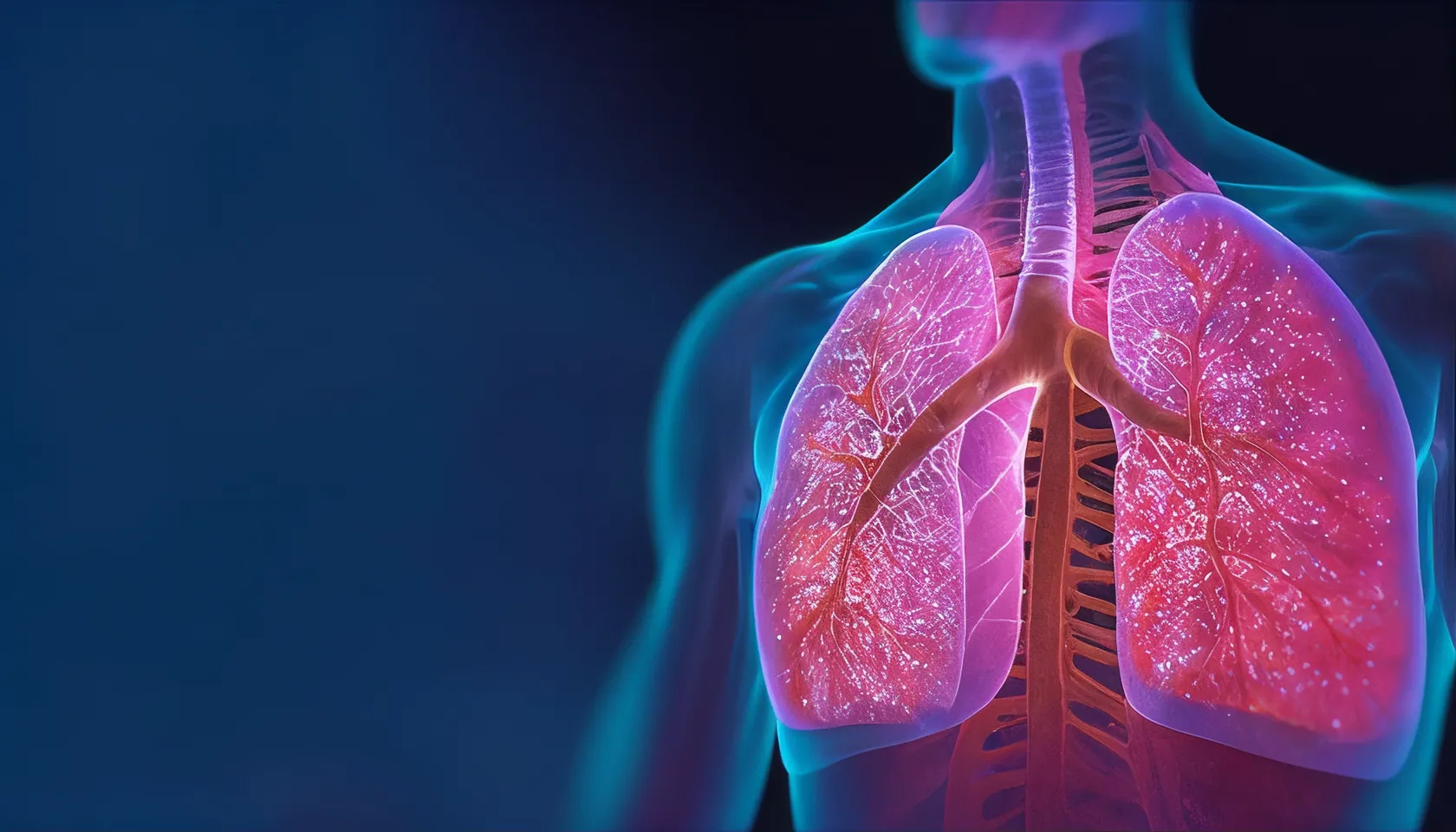
Genetic Testing For Lung Cancer


The Genetics of Lung Cancer Are More Significant Than Most Realize
Lifestyle factors may dominate the conversation around lung cancer, but a meaningful share of cases trace back to inherited genetic mutations detectable through testing long before the disease announces itself.1

Identify Your Inherited Risk

Genetic Mutations Matter Independently of Smoking

Precision Medicine Depends on Genetic Knowledge

Family Patterns Reveal Hereditary Risk
Genetic Counseling Included

Who Should Consider Hereditary Lung Cancer Genetic Testing
Family History of Lung Cancer
When a parent, sibling, or child has been diagnosed with lung cancer, particularly if they were young or never smoked much, it may point to a higher inherited risk running in the family.2
Non-Smokers with Lung Cancer Risk Concern
Lung cancer in a non-smoker is often driven by an inherited gene change rather than lifestyle. For this group of patients, genetic testing can be an important step toward understanding the disease and finding the right treatment.
Personal Lung Cancer Diagnosis
For people already diagnosed with lung cancer, genetic testing can identify gene changes that point to the most effective treatments and help family members understand their own risk.
Known Hereditary Cancer Syndrome in the Family
Some inherited conditions like Li-Fraumeni Syndrome and Peutz-Jeghers Syndrome are known to raise the risk of several cancers. Lung cancer is one of them, and people from these families can benefit greatly from formal genetic evaluation.4,5
Multiple Cancer Types Across Generations
When lung cancer appears alongside other cancers like sarcoma, breast cancer, colorectal cancer, or brain tumors on the same side of the family, across multiple generations, it can be a sign that an inherited syndrome is running in the family.6
Proactive Risk Assessment
Genetic testing is not just for people with a family history of cancer. Anyone who wants to better understand their inherited cancer risk can benefit. A negative result is reassuring, meaning the genes analyzed do not point to a higher risk of developing cancer. A positive result is a starting point, giving patients and their care team the information needed to build a personalized plan.
Key Genes Covered in Lung Cancer Testing Panel
The lung cancer genetic panel analyzes genes with established links to inherited lung cancer risk, including variants that can affect both the chances of developing the disease and how it responds to treatment.
Full gene list available here. Results reviewed by board-certified genetic counselors.
The most commonly mutated gene in human cancer. TP53 mutations cause Li Fraumeni Syndrome, which confers a dramatically elevated lifetime risk of lung cancer and multiple other malignancies.2
STK11 variants cause Peutz Jeghers Syndrome. Affected individuals face up to 15 times the average lifetime lung cancer risk and are candidates for intensified surveillance protocols.2
Rare EGFR variants are associated with familial non small cell lung cancer and directly determine eligibility for first line EGFR targeted therapies.2
Beyond breast and prostate cancer, BRCA2 mutations are associated with a moderately elevated lung cancer risk and may influence PARP inhibitor eligibility in lung cancer patients.7
RB1 mutations underlie hereditary retinoblastoma and are associated with an elevated risk of small cell lung cancer and other secondary malignancies in survivors.8
Emerging evidence links BRCA1 mutations to modestly elevated lung cancer susceptibility, particularly relevant for assessing overall hereditary cancer burden in affected families.7
ATM mutations contribute to a broader hereditary cancer landscape that may include lung cancer susceptibility, particularly in combination with other clinical risk factors.7
Simple, from Home to Results

Order Your Kit
Register online and receive a saliva collection kit shipped directly to your home within a few days.

Collect Your Sample
Provide a simple saliva sample at home, following the easy step-by-step instructions included in your kit.

Lab Analysis
Your sample is analyzed at a CLIA-accredited laboratory using advanced sequencing technology across the full gene panel.

Receive Results
Receive your results within 3 to 4 weeks. You can choose to schedule a complimentary consultation with a certified genetic counselor to review your findings.
Accessible, Transparent Pricing
Insurance Billing
Self-Pay Option
The Clearest Breath You Will Ever Take Is the Breath of Knowing.
References
- Liv Hospital. What causes lung cancer in non-smokers? Genetic and environmental factors explained. Livhospital.com. Published February 2026. Accessed June 2026. https://int.livhospital.com/what-causes-lung-cancer-in-non-smokers-genetic-and-environmental-factors-explained/
- MedlinePlus Genetics. Lung cancer. medlineplus.gov. Accessed June 2026. https://medlineplus.gov/genetics/condition/lung-cancer
- Desai A, Menon SP, Dy GK. Alterations in genes other than EGFR/ALK/ROS1 in non-small cell lung cancer: trials and treatment options. Cancer Biol Med. 2016;13(1):77-86. doi:10.20892/j.issn.2095-3941.2016.0008
- American College of Obstetricians and Gynecologists. Hereditary cancer syndromes and risk assessment: ACOG COMMITTEE OPINION, Number 793. Obstet Gynecol. 2019;134(6):e143-e149. doi:10.1097/AOG.0000000000003562
- Kerrigan K, Chan J, Vagher J, et al. Lung cancer in Li-Fraumeni syndrome. JCO Precis Oncol. 2021;5:1093-1098. doi:10.1200/PO.20.00468
- American Cancer Society. Family cancer syndromes. Cancer.org. Accessed June 2026. https://www.cancer.org/cancer/risk-prevention/genetics/family-cancer-syndromes.html
- The INHERIT study: 5 genetic clues changing lung cancer risk. udshealth.com. Updated December 2025. Accessed June 2026. https://udshealth.com/blog/inherit-study-hereditary-lung-cancer-risk/
- Offin M, Chan JM, Tenet M, et al. Concurrent RB1 and TP53 alterations define a subset of EGFR-mutant lung cancers at risk for histologic transformation and inferior clinical outcomes. J Thorac Oncol. 2019;14(10):1784-1793. doi:10.1016/j.jtho.2019.06.002