

Familial Dysautonomia

Summary
- What it is: A genetic condition that impairs the sensory and autonomic nervous systems, affecting involuntary functions like breathing, blood pressure, pain perception and tear production.1,2
- Jewish Connection: Found almost exclusively in the Ashkenazi Jewish community, where approximately 1 in 31 people is a carrier.1
- Key Symptoms: A hallmark sign is the absence of tears when crying, along with difficulty swallowing and unstable blood pressure.3
- The Science: Caused by mutations in the ELP1 gene (formerly known as IKBKAP), which is essential for nerve cell development and survival.1,4
- Management: While there is no cure, specialized care focusing on respiratory support, hydration, and autonomic crisis management significantly improves quality of life and lifespan.3
What is Familial Dysautonomia?
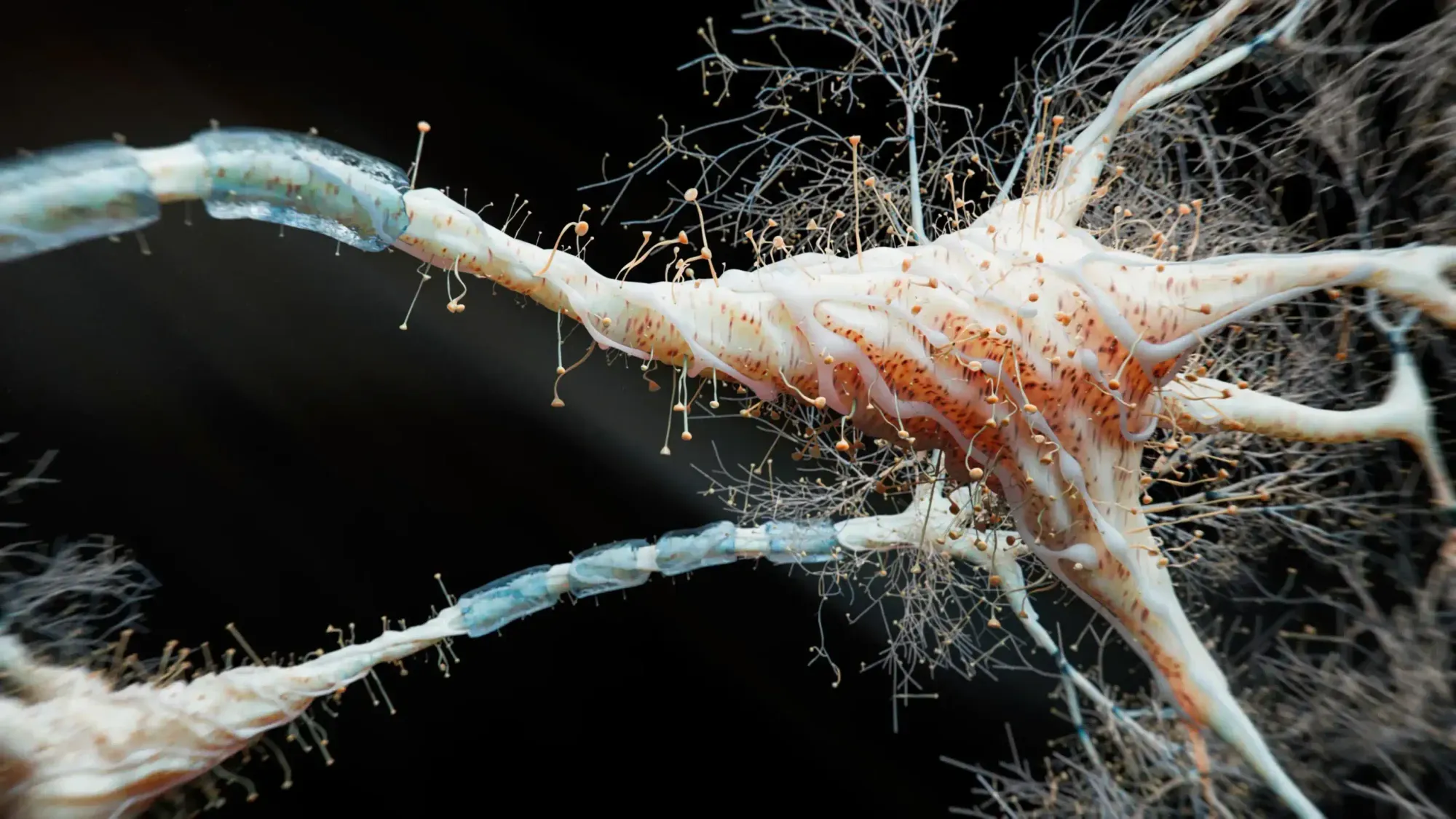
Familial dysautonomia (FD), also known as Riley-Day syndrome, is an inherited condition that affects the development and survival of nerve cells in the autonomic and sensory nervous systems. The autonomic system controls involuntary actions such as regulating blood pressure, heart rate, digestion, and body temperature, and the sensory nervous system,controls senses such as the abilities to perceive taste, pressure, pain, and temperature.1,2
Symptoms and Clinical Features
Symptoms often appear in infancy and vary in severity. Because FD affects the nervous system, it impacts multiple areas of the body:
- Tear Production: A hallmark sign of FD is the absence of tears when a child cries. This leads to dry eyes and an increased risk of corneal ulcers.2
- Blood Pressure Instability: Individuals may experience dangerously high blood pressure when stressed or low blood pressure (orthostatic hypotension) when standing, which can cause fainting.2
- Feeding and Digestion: Infants often have difficulty sucking and swallowing (dysphagia). Chronic acid reflux and "vomiting crises" are common.3
- Respiratory Issues: Poor control of breathing, particularly during sleep (sleep apnea), and a high risk of aspiration pneumonia due to swallowing difficulties are common.2
- Sensory Perception: A reduced sensitivity to pain and temperature, which can lead to unrecognized and/or severe injuries or burns.1
Skeletal Abnormalities: An abnormal curvature of the spine and easily fractured bones can be symptoms of FD.1
- Critical Organ Function: Kidney and heart problems are known to occur in FD.1
- Balance: By adulthood, people with familial dysautonomia may have balance problems that prevent them from walking unaided.2
- Growth and Development: Many children experience "failure to thrive" (slow growth) and may have delays in walking or speech.2
It is important to note that intellect is typically not impaired.
How Common is Familial Dysautonomia?
FD is rare in the general population but is significantly more common in those of Ashkenazi Jewish descent.
- Carrier Rate: Approximately 1 in 31 Ashkenazi Jews carries the mutation.1,4
- Disease Prevalence: Approximately 1 in 3,700 Ashkenazi Jewish people is affected by the disease.1
How Inheritance Works
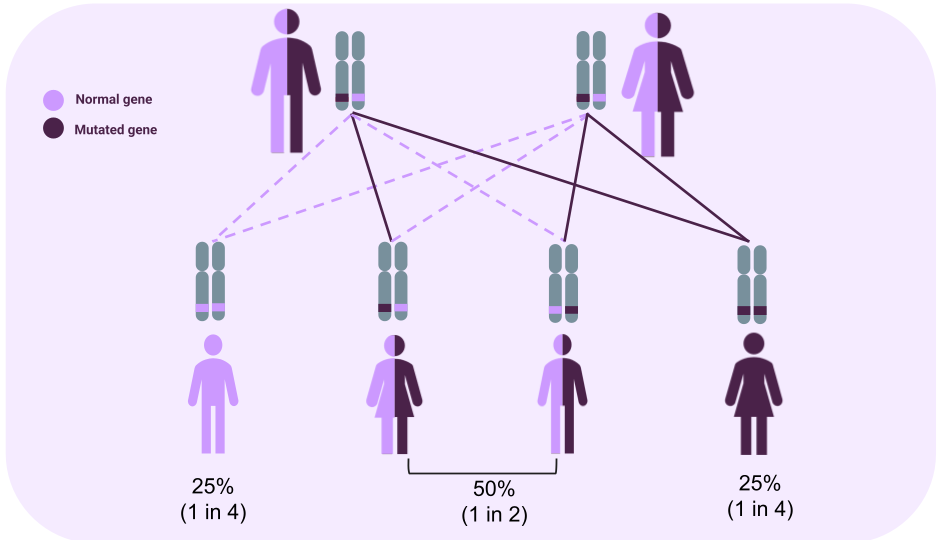
Familial dysautonomia is an autosomal recessive disorder caused by mutations in the ELP1 gene (formerly called IKBKAP).
Carriers are individuals with one mutated gene. They are not expected to exhibit symptoms.
When two carriers have a child, there is a 25% chance with any given pregnancy that the child will inherit both non-working copies of the gene, leading to Familial dysautonomia. There is a 50% chance that the child will be a carrier like the parents and a 25% chance that the child will inherit two working copies of the gene.
Diagnosis and Screening
Genetic testing is the most reliable method for identifying carriers in advance of a diagnosis and confirming a diagnosis in those affected.
- Carrier Screening: Highly recommended for individuals with any Ashkenazi Jewish ancestry before or during pregnancy to understand their carrier status and any reproductive risks.1,4
- Genetic Testing: Involves confirmatory genetic sequencing of the ELP1 gene in order to detect mutations that cause FD.
- Clinical Testing: Doctors may use specialized tests, such as checking for the absence of a "flare" response after a histamine skin injection or assessing the lack of taste buds on the tongue.2
Treatment and Management
While there is currently no cure, proactive management is essential for preventing complications and relieving symptoms:
- Crisis Management: Medications to control blood pressure, nausea, and heart rate during autonomic crises (episodes of extreme vomiting and high blood pressure).2,3
- Respiratory Support: Use of CPAP or BiPAP machines during sleep to ensure stable breathing.4
- Nutrition: Gastrostomy tubes (G-tubes) may be used to ensure adequate nutrition and prevent aspiration, and infants with the condition may need to be fed thickened formula to ensure adequate nutrition and prevent them from inhaling their food.3
- Vision Care: Lubricating eye drops and specialized scleral lenses can help protect the eyes from dryness.2
- Orthopedic Care: Spinal fusion surgery may be needed to correct scoliosis, and many adults with FD require supportive devices such as walkers or wheelchairs.
- Kidney Disease: May require dialysis.1
Prognosis
Advances in specialized care have significantly increased the average lifespan of individuals with FD. Many now live into their 30s, 40s, and beyond, though they require lifelong medical monitoring and support from multi-disciplinary care teams.1,2
Resources
Familial Dysautonomia Now Foundation (FD NOW)
A not-for-profit that funds the fast-track research at the Laboratory for Familial Dysautonomia Research at Fordham University in New York, USA.
www.fdnow.org
Norton & Elaine Sarnoff Center for Jewish Genetics
An organization dedicated to education, screening, and advocacy about genetic diseases that are especially common in the Jewish community. Ben Gurion Way
https://www.jewishgenetics.org/
Dysautonomia Foundation
A non-profit organization that supports medical research and treatment for people with familial dysautonomia.
info@familialdysautonomia.org
References
- Familial Dysautonomia Foundation. About Familial Dysautonomia (FD). Published 2024. Accessed April 22, 2026. https://familialdysautonomia.org/about/facts
- National Organization for Rare Disorders (NORD). Familial Dysautonomia. Updated February 2024. Accessed April 22, 2026. https://rarediseases.org/rare-diseases/dysautonomia-familial/
- MedlinePlus. Familial dysautonomia. National Library of Medicine. Updated May 2024. Accessed April 22, 2026. https://medlineplus.gov/genetics/condition/familial-dysautonomia/
- Cleveland Clinic. Pediatric Dysautonomias: Familial Dysautonomia (FD). Published December 9, 2025. Accessed April 22, 2026. https://my.clevelandclinic.org/health/diseases/24220-familial-dysautonomia
- Myriad Genetics. Familial dysautonomia Genetic Testing | Foresight® Carrier Screen. Published 2025. Accessed April 22, 2026. https://myriad.com/womens-health/diseases/familial-dysautonomia/