





Most people find out too late. You don't have to.
Pancreatic cancer rarely causes noticeable symptoms until it has spread. About 5-10% of cases are tied to hereditary gene mutations.¹ If an inherited gene change is driving your cancer risk, a hereditary cancer test can help you better understand that risk, giving you a powerful chance to act before symptoms start.
Knowing your inherited risk early means your doctor can put a monitoring plan in place, using imaging tools to catch cancers at early stages so they can be treated more effectively.
For people who've already been diagnosed, knowing your genetic mutations may also open the door to targeted treatment options.
Who Should Consider Hereditary Pancreatic Cancer Genetic Testing?
Pancreatic cancer is the third leading cause of cancer death in the US.² Knowing your inherited risk is one of the few ways to get ahead of it.
Family History of Pancreatic Cancer
If a parent, sibling, or child has had pancreatic cancer, you may carry an inherited gene change that raises your own risk, and genetic testing is recommended.³
Known BRCA or Lynch Syndrome Changes in the Family
People with gene changes linked to BRCA1, BRCA2, ATM, Lynch Syndrome and other cancer predisposition syndromes have a higher chance of developing pancreatic cancer, aside from other associated cancer risks.4,5,6
Personal Pancreatic Cancer Diagnosis
If you've been diagnosed with pancreatic cancer, hereditary testing may reveal gene changes that affect your treatment options and help your family members understand their own risk.³
Multiple Cancers Across Your Family
A pattern of breast, ovarian, pancreatic, prostate, stomach, and skin cancers, amongst others, especially across multiple generations, is a strong signal that an inherited syndrome may be at play, and that hereditary cancer testing may be valuable.⁷
Ashkenazi Jewish Heritage
People of Ashkenazi Jewish descent carry BRCA1 and BRCA2 changes at a much higher rate than the general population. Both genes are linked to elevated pancreatic cancer risk.⁸
Anyone Who Wants to Know Their Risk
You don't need a family history of cancer to benefit from testing. Many people choose hereditary cancer testing simply to understand their baseline risk and make informed decisions about their long-term health.
Key Genes Linked to Hereditary Pancreatic Cancer
A comprehensive hereditary cancer panel analyzes the genes most strongly tied to inherited pancreatic cancer risk, including several often missed by narrower tests.
Full gene list available here. Results reviewed by board-certified genetic counselors.
Carriers have an estimated 5% to 10% lifetime risk overall.⁴
Linked to an estimated 9.5% risk of pancreatic cancer by age 80, a level similar to BRCA2. ATM is also linked to breast and prostate cancer risk.⁵
The gene behind Peutz-Jeghers Syndrome. Carriers face an 11% to 36% risk of pancreatic cancer.¹⁰
Linked to familial pancreatic cancer and melanoma. Carriers face an estimated 15% or higher lifetime risk of pancreatic cancer, compared to under 2% in the general population.¹¹
Carries an estimated lifetime risk of up to 5% for pancreatic cancer, lower than BRCA2, but still clinically significant.⁴
Works alongside BRCA2 to help repair DNA. Carriers have an estimated 5% to 10% risk of pancreatic cancer.⁹
Associated with Li-Fraumeni Syndrome. Pancreatic cancer is recognized as one of the cancers with elevated risk in TP53 carriers, alongside the syndrome's core cancers of breast, sarcoma, brain, and adrenal tissue.¹²
Lynch
Syndrome
Genes
Other Lynch Syndrome genes’ mutations also increase pancreatic cancer risk to varying degrees
A Lynch Syndrome gene tied to elevated pancreatic cancer risk, alongside colorectal, uterine, and other cancers. Research places the risk as high as an estimated 6% by age 75.⁶
Simple, from Home to Results

Order Your Kit
Register online and receive a saliva collection kit shipped directly to your home within a few days.

Collect Your Sample
Provide a simple saliva sample at home, following the easy step-by-step instructions included in your kit.

Lab Analysis
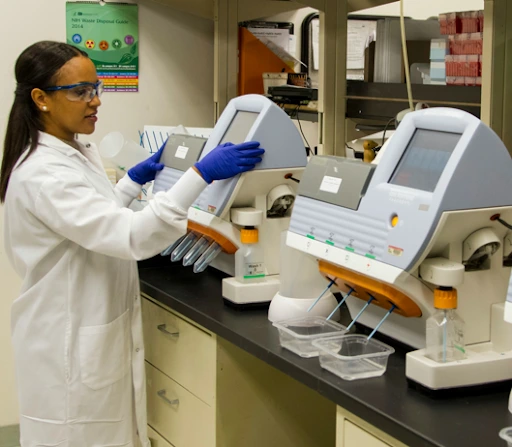
Your sample is analyzed at a CLIA-accredited laboratory using advanced sequencing technology across the full gene panel.

Receive Results
Receive your results within 3 to 4 weeks. You can choose to schedule a complimentary consultation with a certified genetic counselor to review your findings.
Costs and Insurance Coverage
Insurance Billing
Self-Pay Option
Get Tested Today
References
- Ossowski S, et al. Current status of inherited pancreatic cancer. Hered Cancer Clin Pract. 2022;20(1):16. doi:10.1186/s13053-022-00224-2
- National Cancer Institute. Common cancer sites — cancer stat facts. Surveillance, Epidemiology, and End Results Program (SEER). Accessed July 11, 2026. https://seer.cancer.gov/statfacts/html/common.html
- Hirshberg Foundation for Pancreatic Cancer Research. Genetic counseling. Published January 2025. Accessed July 11, 2026. https://pancreatic.org/patients-caregivers/resources/genetic-counseling/
- National Cancer Institute. BRCA gene changes: cancer risk and genetic testing fact sheet. Accessed July 11, 2026. https://www.cancer.gov/about-cancer/causes-prevention/genetics/brca-fact-sheet
- Klein AP, et al. Risk of pancreatic cancer among individuals with pathogenic variants in the ATM gene. JAMA Oncol. 2021;7(11):1722-1724. doi:10.1001/jamaoncol.2021.3780
- Nurmi A, et al. Clinical characteristics of pancreatic and biliary tract cancers in Lynch syndrome: a retrospective analysis from the Finnish National Lynch Syndrome Research Registry. Front Oncol. 2023;13:1123901. doi:10.3389/fonc.2023.1123901
- American Cancer Society. Hereditary breast and ovarian cancer syndrome (HBOC). Updated April 2026. Accessed July 11, 2026. https://www.cancer.org/cancer/risk-prevention/genetics/family-cancer-syndromes/hboc-hereditary-breast-and-ovarian-cancer-syndrome.html
- Pancreatic Cancer Action Network. Ashkenazi Jewish ancestry and pancreatic cancer risk. Published October 2024. Accessed July 11, 2026. https://pancan.org/news/ashkenazi-jewish-ancestry-and-pancreatic-cancer-risk/
- National Cancer Institute. PALB2 and Associated Cancer Risks (PDQ®). PDQ Cancer Information Summaries. National Center for Biotechnology Information; February 2025. Accessed July 11, 2026. https://www.ncbi.nlm.nih.gov/books/NBK609615/
- Cleveland Clinic. Peutz-Jeghers syndrome: what it is, symptoms & genetics. Updated April 2026. Accessed July 11, 2026. https://my.clevelandclinic.org/health/diseases/17362-peutz-jeghers-syndrome-pjs
- FORCE (Facing Our Risk of Cancer Empowered). Inherited CDKN2A mutation and cancer risk of pancreas and skin. Published November 2024. Accessed July 11, 2026. https://www.facingourrisk.org/XRAY/life-with-CDKN2A-a-high-risk-pancreatic-and-melanoma-mutation
- Schneider K, Zelley K, Nichols KE, Garber J. Li-Fraumeni syndrome. In: Adam MP, Feldman J, Mirzaa GM, et al, eds. GeneReviews®. University of Washington, Seattle; 1993-2026. Updated May 2025. Accessed July 11, 2026. https://www.ncbi.nlm.nih.gov/books/NBK1311/