

Hereditary Cancer
Understanding Genetic Risk by Cancer Type
Approximately 5% to 10% of all cancer diagnoses are tied to gene mutations passed down from a parent. Inheriting one of these mutations doesn't mean you’ll get cancer, but it does mean you have a higher than average risk for certain cancers.¹ Learn how you can take a proactive approach to prevention by understanding:
Which cancers are most frequently linked to inherited mutations
How these genetic changes elevate your personal risk
The family history patterns that point to specific hereditary cancer syndromes
What Makes a Cancer Hereditary?
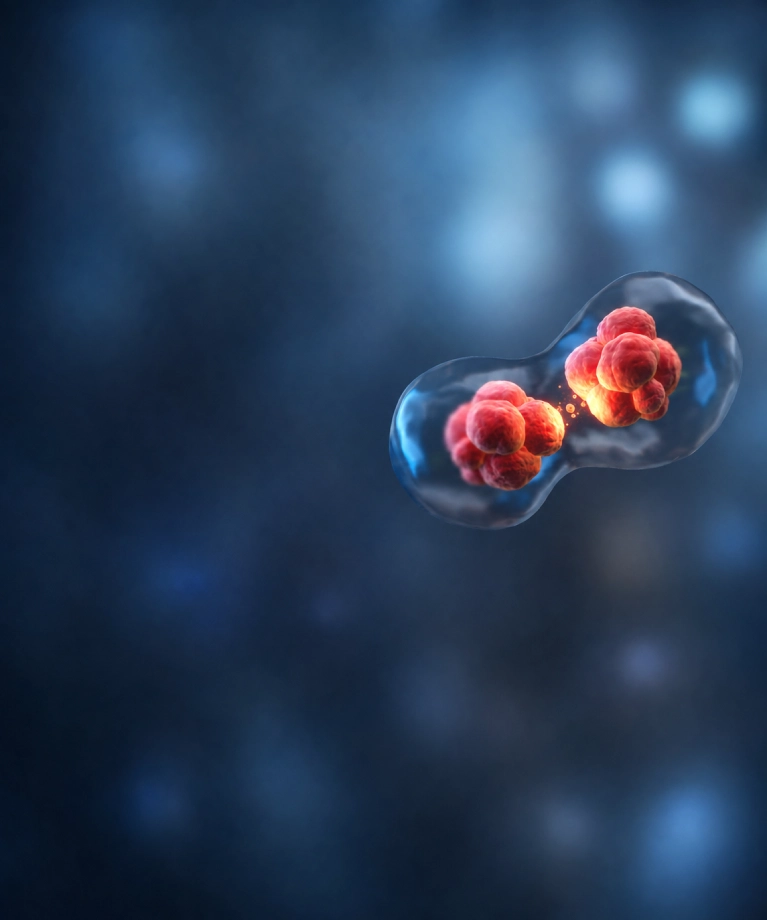
Most cancers develop over time due to a combination of factors such as age, environment, and random DNA changes, with no single inherited cause. Hereditary cancer is different. It occurs when you inherit a mutation in a gene meant to protect your cells from turning cancerous. These mutations significantly increase your risk of developing cancer, often at a younger age. Because these genetic changes run in families, a parent with a mutation has a 50% chance of passing it on to each child.²




%20(1).webp)
Hereditary Cancer Syndromes
A single inherited mutation can raise the risk for several different cancers throughout the body. Because these genetic changes affect multiple organs, doctors categorize them as hereditary cancer syndromes rather than isolated risks.³ Some examples include:
Birt-Hogg-Dubé syndrome (BHD)
Cowden Syndrome
Familial Adenomatous Polyposis (FAP)
Familial GIST Syndrome
Hereditary Breast and Ovarian Cancer Syndrome (HBOC)
Hereditary Retinoblastoma (RB1)
Li-Fraumeni Syndrome (LFS)
Lynch Syndrome
Peutz-Jeghers Syndrome
Von Hippel-Lindau (VHL) Syndrome
Should You Consider Hereditary Cancer Testing?
Most cancers occur by chance, but a certain percentage stem from an inherited gene mutation. These genetic changes can increase cancer risk and be passed down through generations. Through genetic testing, you can take proactive measures to optimize prevention, early treatment, and detection.
If you notice any of these patterns in your family, you may want to consider genetic testing:
Your Personal History
Cancer diagnosed at a younger age
Multiple primary cancers diagnosed in your lifetime
Diagnosis of a rare cancer, such as male breast, ovarian, pancreatic, or metastatic prostate cancer
Triple-negative breast cancer, diagnosed at any age
Hereditary Retinoblastoma (RB1)
Your Family History
Multiple relatives on the same side of the family with the same or related cancers
A close relative diagnosed with cancer at a young age
Diagnosis of a rare cancer, such as male breast, ovarian, pancreatic, or metastatic prostate cancer
A known gene mutation (e.g., BRCA1 or BRCA2) already identified in your family
Ashkenazi Jewish Ancestry
If you have Ashkenazi Jewish ancestry on either side of your family, you may have a higher chance of carrying a BRCA1/2 mutation, even without a strong personal or family cancer history. Many guidelines recommend testing based on ancestry alone.
Noticed A Pattern? Here's What it Means
Having a personal history, family history, or Ashkenazi ancestry doesn't mean you have a hereditary cancer syndrome. Recognizing these patterns can help you determine whether genetic screening and counseling may be appropriate for you.
Medical guidelines, like those from the National Comprehensive Cancer Network (NCCN), evolve continuously as new research emerges. The most reliable way to learn if genetic testing is right for you is to review your full personal and family history with a genetic specialist.
Gather your history
Talk to a counselor
Decide together
Take the Next Step
Understanding your hereditary cancer risk starts with a simple test and the right support to guide you. Whether you’re motivated by family history, ancestry, or your own health journey, genetic testing can provide clear answers and peace of mind.
Frequently Asked Questions
What's the difference between hereditary and sporadic cancer?
Most cancers are sporadic, meaning they develop from a combination of aging, environment, lifestyle, and chance. Hereditary cancer is different: it results from an inherited gene mutation that significantly increases the risk for certain cancers and can be passed down through generations.
Does having a family history of cancer always mean the risk is hereditary?
No. Families often share similar environments, habits, or exposures (like tobacco smoke or diet), which can cause non-hereditary cancers to cluster in the same family.¹ Genetic specialists evaluate specific diagnostic patterns and age of onset to determine when genetic testing is recommended due to a potential inherited mutation.²
If a family member has a hereditary cancer mutation, does that mean I have the mutation, too?
Not necessarily. If a parent, child, or full sibling carries a hereditary cancer mutation, you have a 50% chance of inheriting that same genetic change.² Testing is the only way to confirm whether you carry that specific mutation as well.
Why does Ashkenazi Jewish ancestry come up in discussions of hereditary cancer?
Roughly 1 in 40 people of Ashkenazi Jewish descent carries a BRCA1 or BRCA2 mutation, compared with about 1 in 400 people in the general population – a ten-fold difference. Because of this significantly higher rate, genetic specialists recommend that individuals of Ashkenazi Jewish heritage consider genetic evaluation regardless of their personal or family cancer history.² As a genetic health organization with a focus on the Jewish community, jscreen prioritizes making hereditary cancer testing and education accessible.
Can men have hereditary cancer mutations linked to "women's cancers”?
Yes. Men can inherit and pass down BRCA1 and BRCA2 mutations just like women. While often associated with breast and ovarian cancer, BRCA1 and BRCA2 mutations also raise a man's risk for prostate, pancreatic, and male breast cancer.² Additionally, any father with a mutation has a 50% chance of passing it to his children, regardless of their gender.
Still Have Questions?
We’d love to hear from you! Check our FAQ page, or contact us.
References
- National Cancer Institute. Genetic testing for inherited cancer susceptibility syndromes. Updated March 2024. Accessed July 10, 2026. https://www.cancer.gov/about-cancer/causes-prevention/genetics/genetic-testing-fact-sheet
- Basser Center for BRCA, Penn Medicine, Sharsheret. BRCA1 and BRCA2 gene mutations in the Ashkenazi Jewish community. Published 2024. Accessed July 10, 2026. https://www.basser.org/
- National Cancer Institute. Elements of cancer genetics risk assessment and counseling. Updated 2024. Accessed July 10, 2026. https://www.cancer.gov/about-cancer/causes-prevention/genetics/risk-assessment-pdq