





Glycogen storage disease type 1a means never going more than a few hours without eating, for life. It often begins in infancy, sometimes requiring a feeding tube when a child is quite young. Genetic testing can determine whether you carry a change (mutation) in the G6PC gene that could affect your future child.
What Is Glycogen Storage Disease Type 1a?
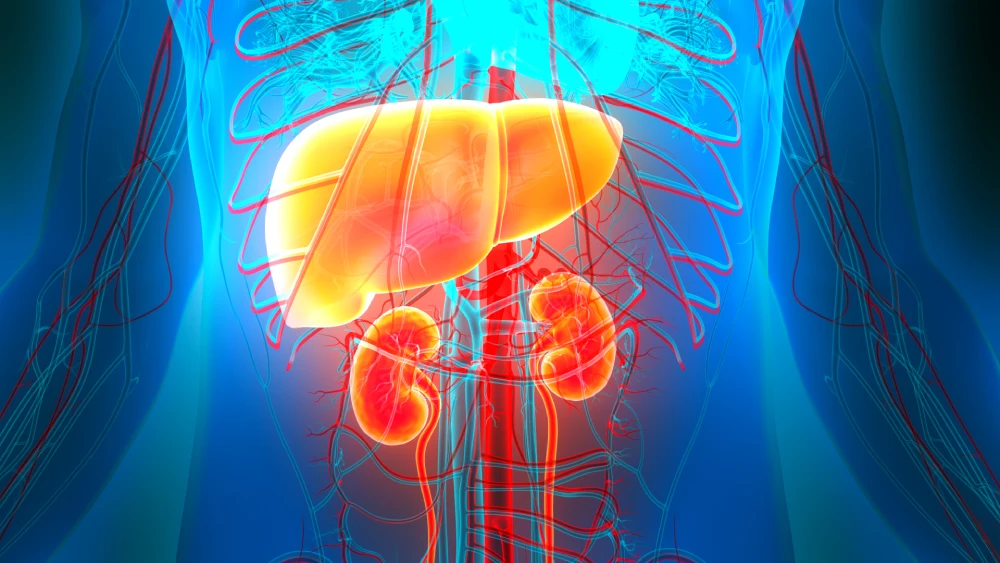
The body normally stores extra sugar as glycogen in the liver, then breaks it back down into glucose between meals to keep blood sugar steady. Glycogen storage disease type 1a occurs when the enzyme associated with that last step, glucose-6-phosphatase, doesn't work.¹ Glycogen builds up in the liver and kidneys instead of being released as usable sugar. As a result, both organs enlarge, and blood sugar can drop to dangerous levels within just a few hours without eating.
Babies usually appear healthy at birth, and symptoms typically don't appear until between 3 and 4 months of age. They can include an enlarged belly, low blood sugar, seizures, and abnormal lab values that often lead to a frightening, unexplained hospitalization before anyone knows the cause.¹ A closely related condition, type 1b, comes from a change in a different gene and adds a higher risk of infections, but the two are similar enough that some clinicians treat them as one disease. This page is specifically about type 1a and G6PC.
A Lifelong Routine, Not a One-Time Diagnosis
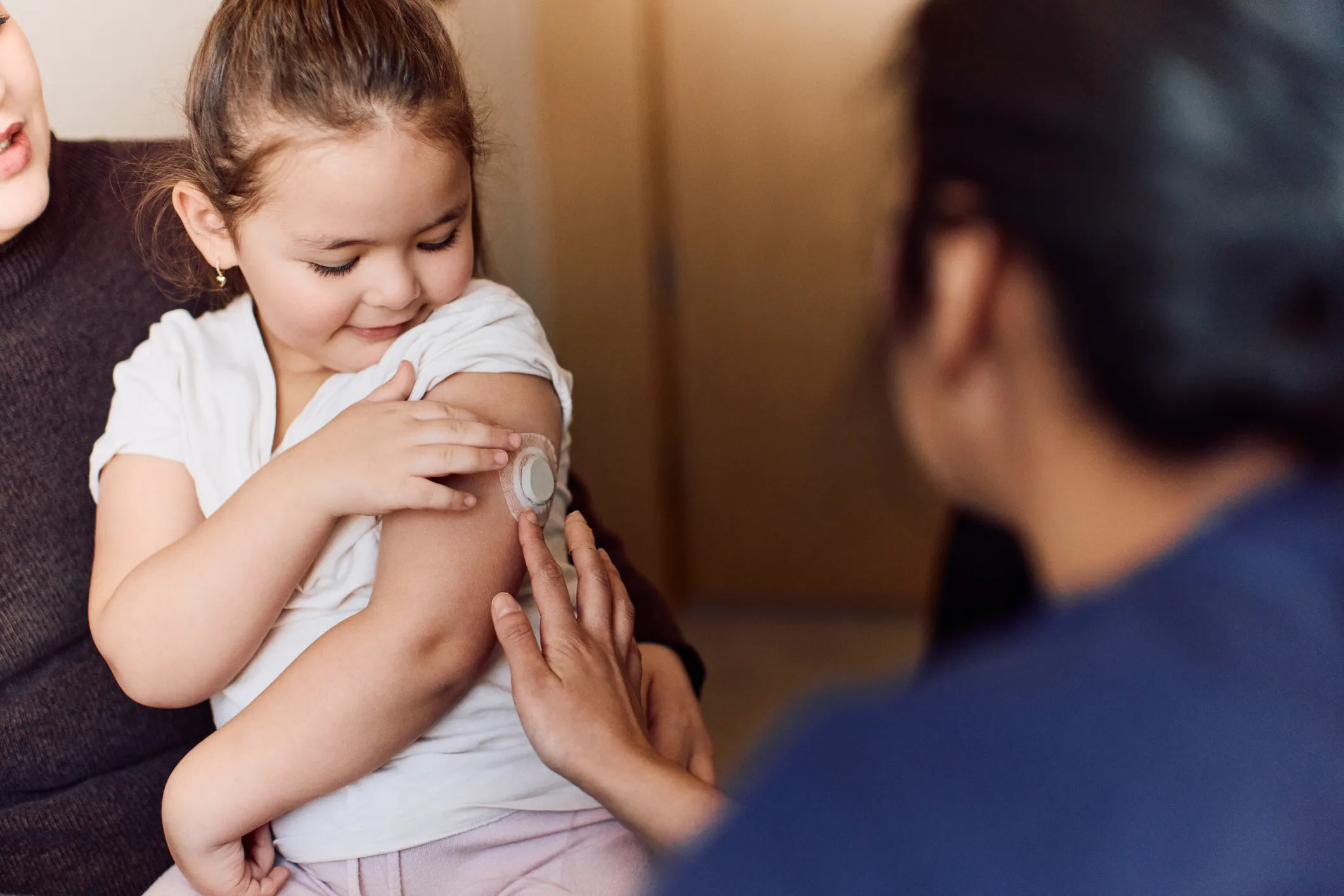
This isn't a condition that's treated and resolved. Instead, it's managed daily and indefinitely. Frequent small feedings, often including uncooked cornstarch are typically required and often, infants and young children need a feeding tube to help them receive appropriate nutrition.¹ Even with careful management, long term complications can still develop, including kidney disease and benign liver tumors that occasionally require surgery or, in severe cases, an organ transplant.¹
This is why testing matters. Carrier screening is most ideal before conception, because it's the one point where you have the most options. If both partners are carriers, you can explore paths like IVF with preimplantation genetic testing, using a donor egg or sperm, or prenatal diagnosis early in pregnancy, that let you make informed decisions before a child is born with GSD1a, not just prepare to manage it afterward. Testing doesn't just prepare a family for a diagnosis; it can help you avoid one.

No Cure Yet, But Research Is Moving Forward
There's a genuine reason for hope. Researchers are actively developing gene and enzyme replacement therapies aimed at the root cause of GSD1a — restoring the missing enzyme itself, rather than just managing symptoms through diet. At least one of these approaches have shown promising results in clinical trials, meaning the direction of research is encouraging.2 Knowing your carrier status now means being positioned to act quickly as new treatment options become available.
Inheritance and Your Odds of Carrying the Gene
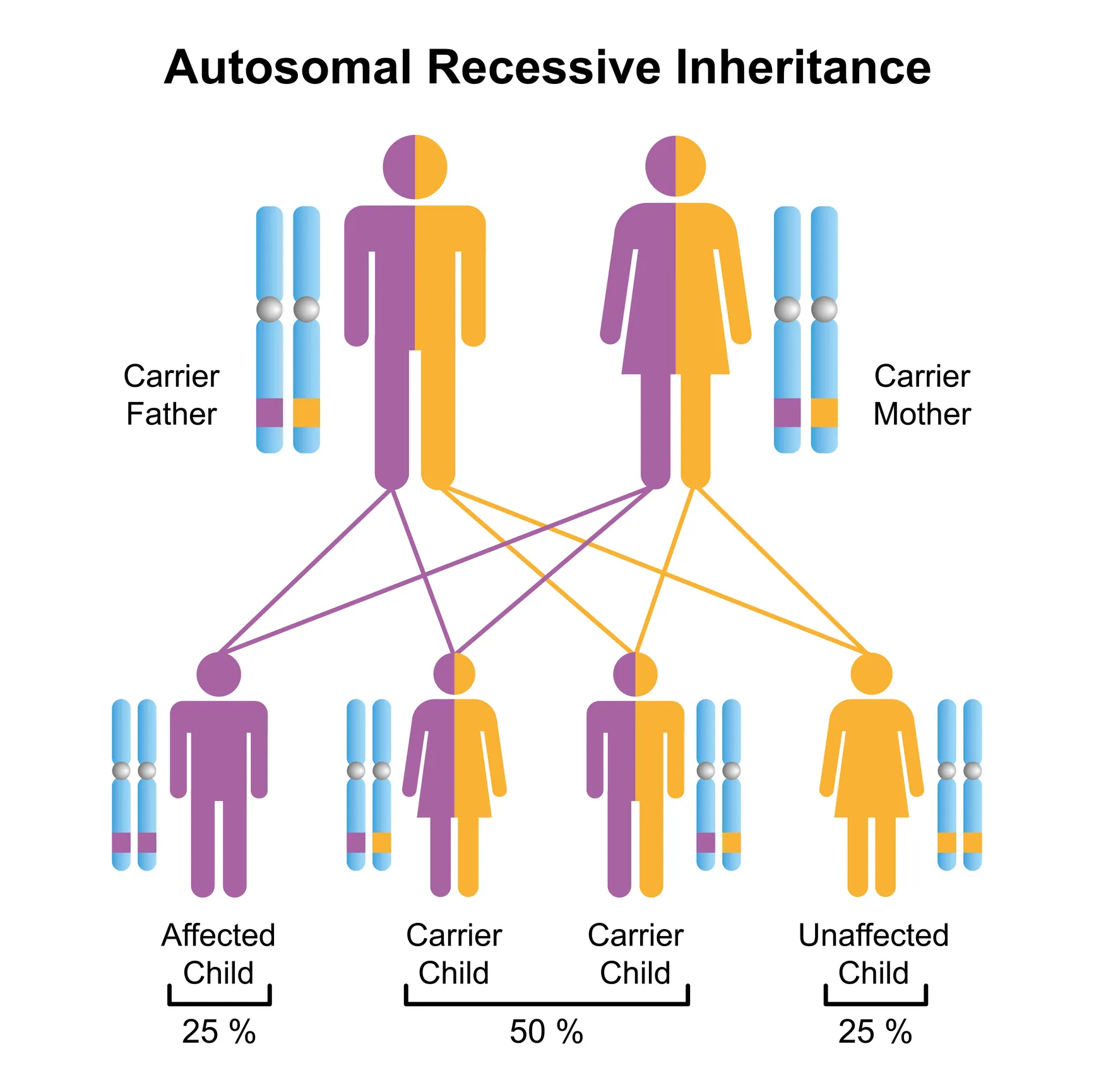
Glycogen storage disease type 1a is inherited in a pattern called autosomal recessive. A carrier has one working copy of G6PC and one nonworking copy. Carriers have no symptoms because the one working copy is enough.³ If both parents are carriers, each pregnancy has a 25% chance of the child being affected, a 50% chance of the child being an unaffected carrier, and a 25% chance of the child inheriting two working copies of the gene.³
Carrier rates vary sharply by ancestry, driven by specific mutations that are more common in different communities. These mutations are often referred to as “founder mutations”:
- Ashkenazi Jewish descent: about 1 in 71³
- Ohio Amish community: about 1 in 50, tied to one specific shared founder variant⁴
- General population: roughly 1 in 150 people⁵
Who Should Consider This Testing?
Anyone who is planning a pregnancy should test for Fanconi anemia, regardless of their ethnic background. If you’ve been screened in the past and are considering adding to your family, more updated testing may be recommended by a genetic counselor.
You Have Ashkenazi Jewish Ancestry
The carrier rate in this population is dramatically higher than average, which is often reason enough on its own, regardless of family history.
You're Part of the Ohio Amish Community
A specific shared founder variant makes this a meaningfully elevated risk group as well, separate from and in addition to Ashkenazi Jewish ancestry.⁴
A Parent or Sibling Has Been Diagnosed With Glycogen Storage Disease Type 1a, or Had an Unexplained Infant Health Crisis
Since carriers show no symptoms, a family often only learns this condition runs in the family after a child is already affected. If that's happened in your immediate family, your own odds of carrying the genetic change are higher than average.
Easy Steps from Home to Results

Order Your Kit
Register online and receive a saliva collection kit shipped directly to your home within a few days.

Collect Your Sample
Provide a saliva sample at home, following the instructions included in your kit.

Lab Analysis
Your sample is analyzed at a CLIA-accredited laboratory using DNA sequencing.

Receive Results
Receive your results within 3 to 4 weeks. You can choose to schedule a complimentary consultation with a certified genetic counselor to review your findings, and we recommend doing so for any result other than a straightforward negative.
Affordable Access for Everyone
Insurance Billing
Self-Pay Option
Understanding Your Results
Positive (Carrier)

A positive result means you carry one working copy and one nonworking copy of G6PC.³ You are not affected by glycogen storage disease type 1a, but you can pass the nonworking copy to a child. It is critical to have your partner tested, regardless of their ancestry, as the risk of having an affected child is impacted by whether they carry a change in the same gene too. This also applies if you're using a sperm or egg donor.
Negative Result

A negative result means you have a significantly lower chance of being a carrier. It greatly lowers your risk without bringing it all the way to zero, since no screen can detect every possible gene change.
If You and Your Partner Are Both Carriers
If both partners carry a change in G6P, each pregnancy has a 25% chance of being affected by Glycogen storage disease 1a.¹ If you are already pregnant, prenatal testing for GSD 1a, such as chorionic villus sampling (CVS) or amniocentesis, can diagnose whether a current pregnancy is affected prior to birth.¹ Genetic counseling is strongly recommended at this stage, and every jscreen result comes with access to a board certified genetic counselor to walk through what your specific results mean and what your options are. We highly recommend testing prior to conception, which allows for the greatest range of reproductive options.
Get Screened for Glycogen Storage Disease Type 1a
Frequently Asked Questions
Can you test for glycogen storage disease type 1a?
Yes. Genetic testing can be done before or during pregnancy. Carrier screening checks whether you or your partner carry a change in G6PC, the gene linked to glycogen storage disease type 1a.
Is glycogen storage disease type 1a only a concern for Ashkenazi Jewish families?
No. While the Ashkenazi Jewish community has a notably elevated carrier rate, so does the Ohio Amish community, tied to a completely separate founder mutation.⁴ Importantly, this condition can occur in any ethnic background.
Is there a treatment for glycogen storage disease type 1a?
Right now, management relies on a strict, round-the-clock eating schedule, often including cornstarch.¹ An experimental gene therapy is in clinical trials and is currently under FDA review, but it isn't an approved treatment yet.²
Is there newborn screening for glycogen storage disease type 1a?
No. GSD1a is not on routine newborn screening panels, which is part of why carrier screening before or during pregnancy is the most dependable way to understand your risk ahead of time.
How do you test for glycogen storage disease type 1a from home?
With a genetic carrier screen, the whole process happens from home. You order a kit online, provide a saliva sample using the instructions included, and mail it back using the prepaid materials in the kit. Your sample is analyzed at a CLIA-accredited laboratory, and results are typically available between 3 and 4 weeks of your sample arriving at the lab.
What happens if my partner and I are both carriers?
Each pregnancy would have a 25% chance of being affected.³ Most people work with a genetic counselor to talk through their options, which can include prenatal diagnostic testing during a current pregnancy, or other family planning approaches if you haven't conceived yet.
References
- Glycogen Storage Disease Type I. National Organization for Rare Disorders (NORD). Last updated December 23, 2019. Accessed August 25, 2026.
https://rarediseases.org/rare-diseases/glycogen-storage-disease-type-i/ - Ultragenyx Completes Rolling Submission of Biologics License Application (BLA) to U.S. FDA for DTX401 AAV Gene Therapy for Glycogen Storage Disease Type Ia (GSDIa). Ultragenyx Pharmaceutical Inc. Published December 30, 2025. Accessed August 25, 2026.
https://ir.ultragenyx.com/news-releases/news-release-details/ultragenyx-completes-rolling-submission-biologics-license - Glycogen Storage Disease Type Ia. Norton & Elaine Sarnoff Center for Jewish Genetics. Last updated October 24, 2023. Accessed August 25, 2026.
https://www.jewishgenetics.org/genetic-disorders/search-genetic-disorders/glycogen-storage-disease-ia/ - Scott EM, Wenger OK, Robinson E, Colling K, Brown MF, Hershberger J, Radhakrishnan K. Glycogen storage disease type 1a in the Ohio Amish. JIMD Reports. Published June 21, 2022. Accessed August 25, 2026.
https://pmc.ncbi.nlm.nih.gov/articles/PMC9458600/ - Gümüş E, Özen H. Glycogen storage diseases: An update. World J Gastroenterol. 2023;29(25):3932-3963. doi:10.3748/wjg.v29.i25.3932